
PMS takes no prisoners – but while cramps, bloating and headaches can often be remedied with a quick Rennie or Ibuprofen, there are a few symptoms that are signs of more serious underlying health conditions. I spoke to registered nutritionist Ella Kaur Maan, as she shared the overlapping symptoms you need to look out for – and the tips to manage them
Words: Amy Dowrick | Images: Shutterstock
It is estimated that at least 90% of us are familiar with some of the symptoms of PMS (Premenstrual Syndrome) before we enter the menopause, which can range from mood swings, irritability, and anxiety to bloating, headaches, food cravings and fatigue (the list goes on).
And while these symptoms are most common, typically occurring in the days or weeks leading up to a period and then improving once it begins, there are a few symptoms that often disguise themselves as PMS, but actually pose a much greater risk if undiagnosed.
Overlapping symptoms to look out for
“While cramps and bloating are well known, symptoms such as fatigue, poor sleep, brain fog, anxiety, low mood and difficulty concentrating are often overlooked,” says Ella, who is also Practitioner Lead at supplement brand, DR.VEGAN. “Ignoring these symptoms can impact quality of life, productivity and mental wellbeing, and may delay diagnosis of other underlying conditions.”
Endometriosis
PMS and endometriosis share several overlapping symptoms across physical, mental and emotional indicators – but there are a few key differences.
While abdominal bloating, mild pelvic cramps, lower back pain and fatigue are all signs commonly associated with PMS, endometriosis pain is typically much more severe – in some cases even debilitating.
Dysmenorrhea (severe cramping), pain during sex, and digestive discomfort are all symptoms of endometriosis, and can seriously disrupt daily life if left ignored. Pain can also start much earlier in the cycle and persist long after the period ends, sometimes causing heavy or irregular bleeding and painful bowel movements – which are all not typical of standard PMS.
See a GP if you think you might have endometriosis – especially if your symptoms are affecting your everyday life.
Premenstrual Dysphoric Disorder (PMDD)
Affecting around 8% of premenopausal women, while PMDD and PMS also share a lot of physical and emotional signs, the main difference to keep an eye on are the mental symptoms.
While symptoms such as mild mood swings, irritability, anxiety and difficulty concentrating tend to overlap, PMDD symptoms develop much further, and can cause severe, disabling emotional distress.
Extreme despair, severe anger, or panic that disrupts daily life in the week or two before a period starts are common PMDD symptoms – and while they usually go away two to three days after your period starts, medicine or other treatments to help with symptoms are often needed.
PMDD can be serious, and some women should go to a doctor or nurse to discuss treatment options. Visit womenshealth.gov/menstrual-cycle for more information.
Thyroid Dysfunction
Since our thyroid produces hormones, it can influence PMS symptoms and make them feel more severe – so ruling out an underlying thyroid condition is an important step in proper diagnoses and treatment.
Overlapping symptoms such as fatigue, mood swings, and bloating are common, and while it’s difficult to tell them apart without a blood test, there are a few clues that point towards a condition beyond PMS.
Symptoms such as feeling sensitive to temperature, shifts in weight, and hair thinning are all signs of thyroid dysfunction – especially if occurring all month long, not just in the lead up to a period.
Perimenopause
Typical symptoms of perimenopause can be very similar to those of PMS, with overlapping signs ranging from mood swings, bloating, headaches, brain fog and loss of libido.
But PMS can often get worse during perimenopause because periods can start to become increasingly erratic as hormones fluctuate – making symptoms harder to manage as they become more unpredictable.
A telltale sign is often the timing. If symptoms start in the two weeks before your period, it’s more than likely PMS – but if you’ve been experiencing them continuously, at any time of the month, or they have only recently started, it’s likely perimenopause.
How to manage PMS
According to Ella, regular exercise, good-quality sleep, stress management and a balanced diet are all important for managing PMS.
“Consistent healthy habits throughout the month can help support hormone balance and reduce symptom severity,” she says. “Nutritional support may also be beneficial, with key nutrients such as magnesium, vitamin B6 and ashwagandha often used to help support mood, stress resilience and hormonal wellbeing.”
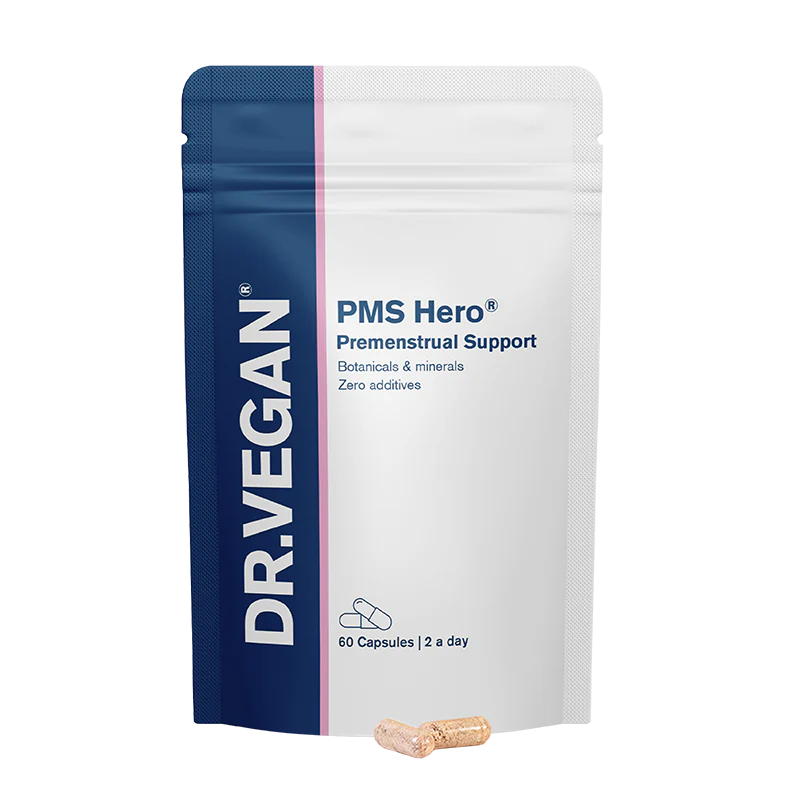
DR.VEGAN PMS Hero
Nutrition
Nutrition plays a key role in supporting hormone health and managing symptoms – and according to Ella, a diet specifically rich in whole foods, protein, fibre and healthy fats may help stabilise energy and mood.
“Magnesium-rich foods such as leafy greens, pumpkin seeds and almonds may support relaxation, while vitamin B6 can be found in foods such as chickpeas, potatoes, bananas and poultry,” she says. “Omega-3 fatty acids, found in oily fish such as salmon, mackerel and sardines, as well as algae-based supplements, may also offer additional support.”
“Prioritising balanced meals and limiting excessive amounts of ultra-processed foods, alcohol and added sugars may help minimise common PMS symptoms such as energy dips, cravings and mood fluctuations.”
Yoga for PMS: best poses to reduce symptoms
When to seek medical advice
According to Ella, women should seek medical advice if PMS symptoms become severe, worsen over time, or begin affecting daily life, work, relationships or mental health – and persistent symptoms may also warrant further investigation to rule out conditions such as PMDD, nutrient deficiencies or hormonal imbalances.
Ella Kaur is a registered Nutritionist and Nutritional Therapy Practitioner at leading supplement brand, DR.VEGAN, specialising in women’s health, hormonal balance, sleep and stress. For more information, or to book a free consultation and receive personalised advice, visit drvegan.com